
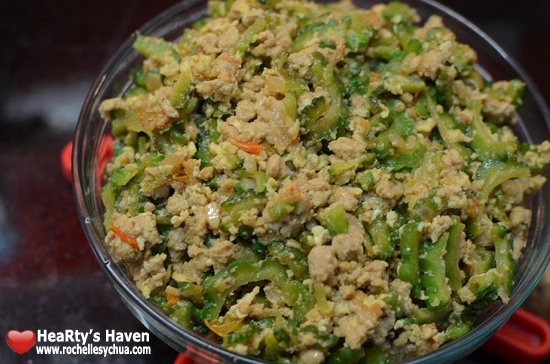
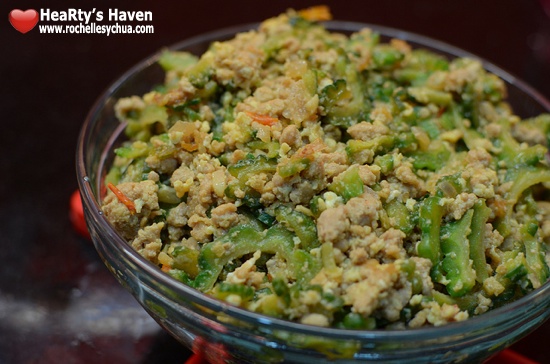
Recipe: Sauteed Ampalaya with Pork
April 21, 2014
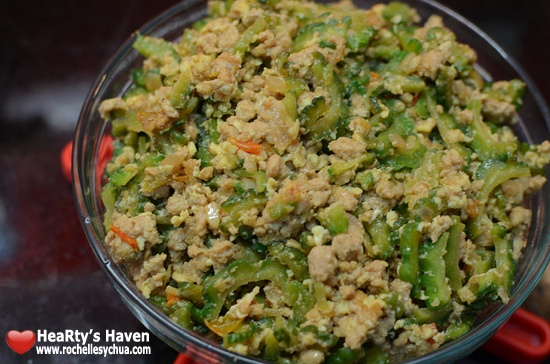
I always see ampalaya at our canteen’s menu. It’s priced cheaper because it’s a vegetable. For a few spoonfuls of the dish, it costs about Php 70 with rice. I do not know why but I tend to eat one more meal after that because it just isn’t enough for me. Luckily, the dish is easy to make and cheap too! I think sautéed ampalaya will be one of my favourite dishes to cook. Right now, I’m still experimenting other dishes. However, I already put it on a mental note that sautéed ampalaya will be one of those I will cook over and over again.
In this recipe, I followed the exact instructions wherein I had to put a generous amount of salt in the ampalaya as well as soaking it in water for a while. For my next try, I will just wash it and keep the bitterness of the vegetable. I think it will work 🙂

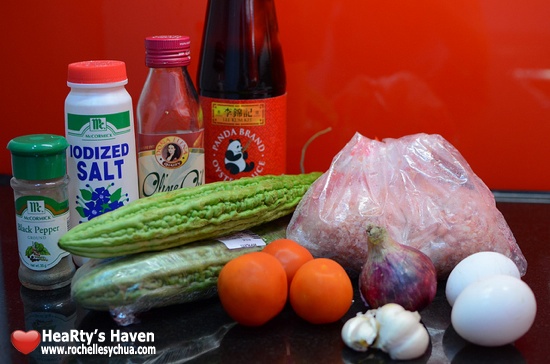
- 3 pcs. medium ampalaya
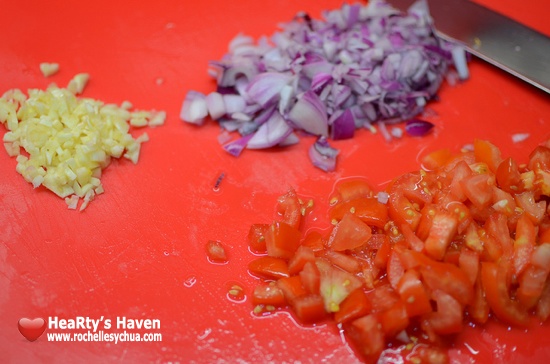
- 3 cloves garlic, minced
- 1 small onion, diced
- 2 medium tomatoes, seeds removed & chopped
- 1 lb ground pork
- 2 eggs, beaten
- 4 Tbsp oyster sauce
- 1 Tbsp oil
- salt, to taste
- pepper, to taste
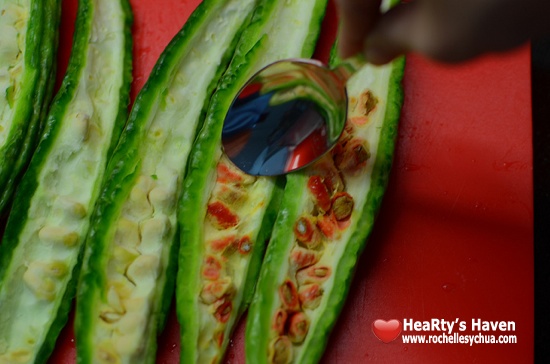
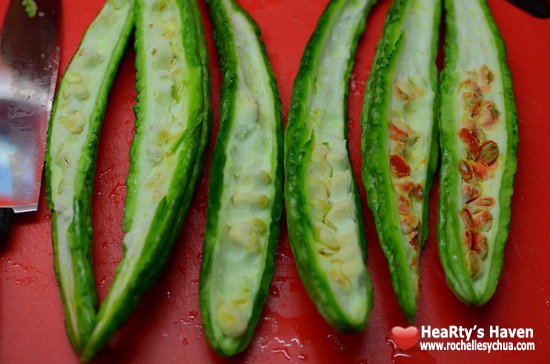
- Wash ampalaya then cut them lengthwise.
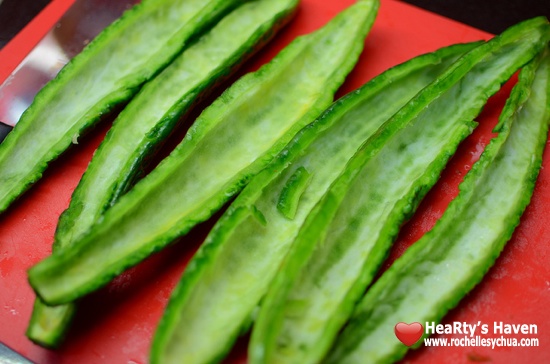
- Using a spoon, scrape off seeds.
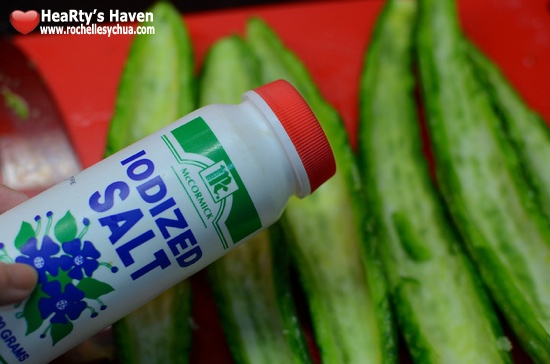
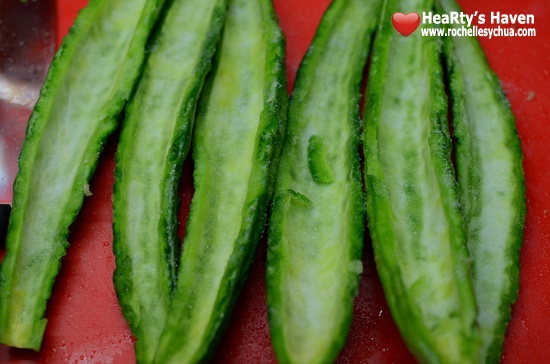
- Put salt on the ampalaya generously and let it rest for 10 minutes.
- Rinse ampalaya in running water.
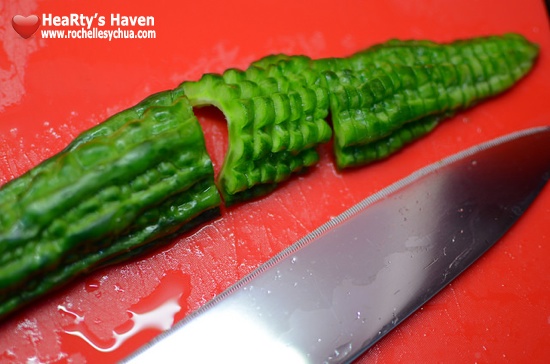
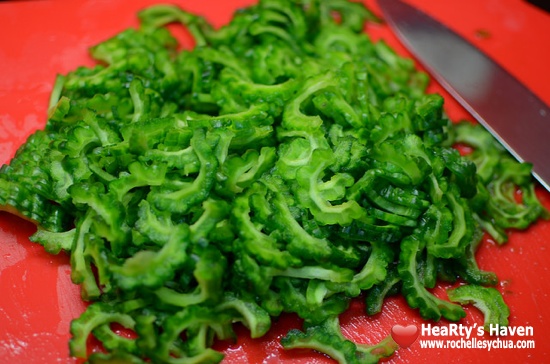
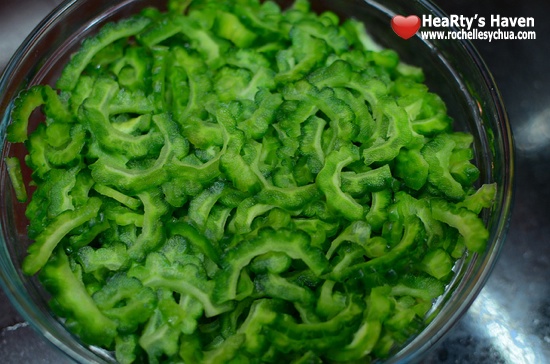
- Slice thinly and place in a bowl.
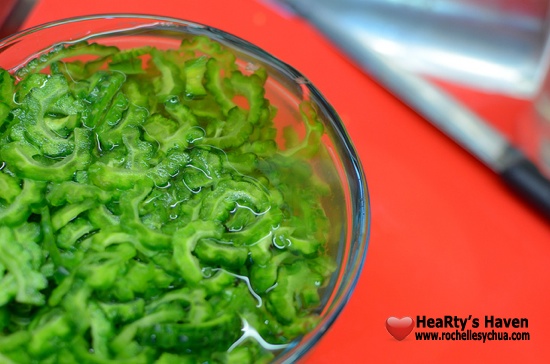
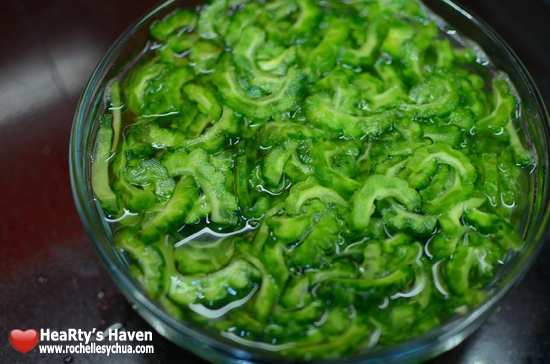
- Cover the bowl in cold water until ready to use.
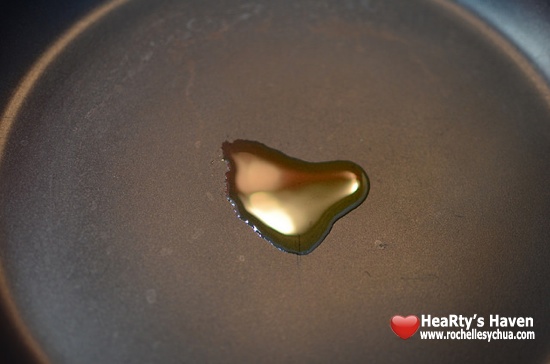
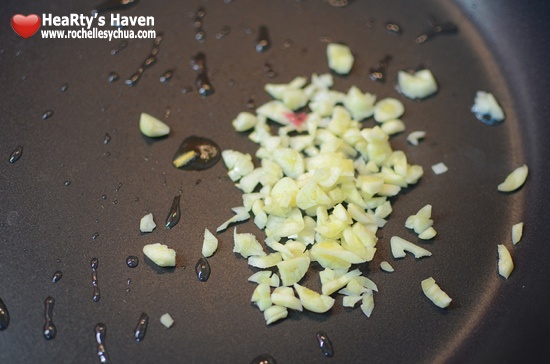
- In a pan, saute garlic in oil in medium heat.
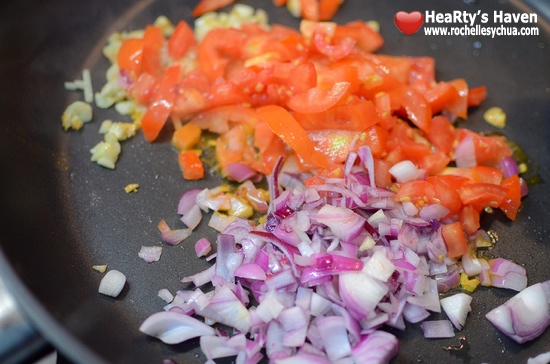
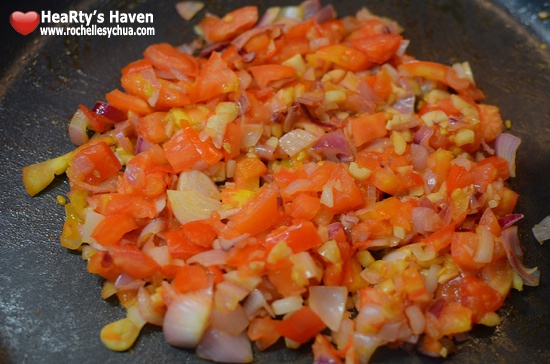
- Add onions and tomatoes.
- Saute until tomatoes are cooked.
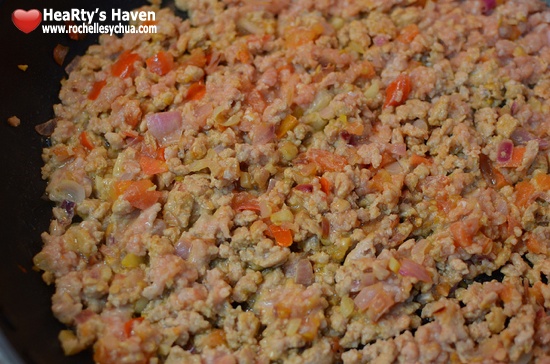
- Add ground pork and saute until colour is light brown.
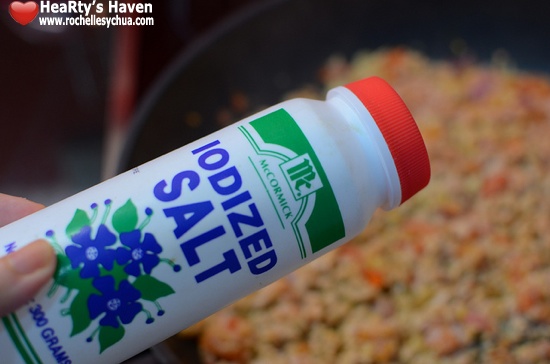
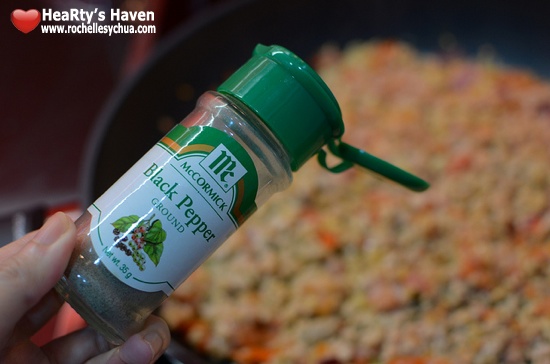
- Put salt and pepper.
- Stir until well combined.
- Cover and simmer for 10 minutes.
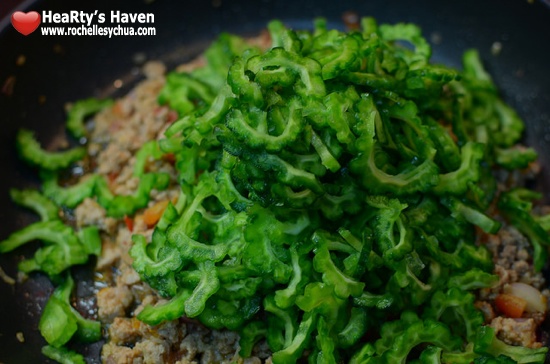
- Drain water from ampalaya then add ampalaya to the pan.
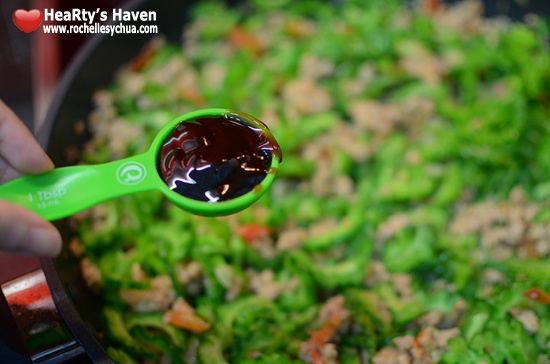
- Add oyster sauce and mix.
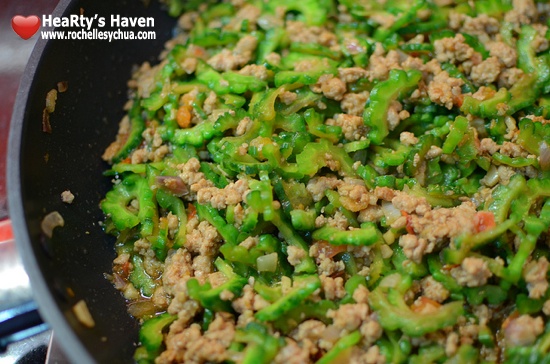
- Simmer for 3 minutes or until ampalaya is cooked.
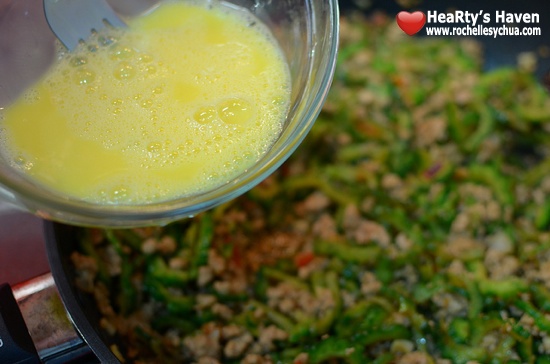
- Add eggs and gently mix to distribute.
- Continue cooking for 1 more minute.
- Remove from heat.
- Serve and enjoy!
 |
 |
 |
 |
 |
 |
 |
 |
 |
 |
 |
 |
 |
 |
 |
 |
 |
 |
 |
 |
 |
 |
 |
 |
 |
 |
 |
 |
 |